

Anchor winches are mechanical devices designed to deploy and retrieve anchors on vessels. Their primary function is to secure the vessel in a specific location, providing stability when needed. These winches are equipped with a system of gears, motors, and drums that facilitate the controlled lowering and lifting of anchors, allowing vessels to anchor securely in various water conditions.

There are several types of anchor winches, each designed to meet specific maritime requirements. This section explores the two main categories: manual and electric/hydraulic winches. Manual winches rely on human power for operation and are suitable for smaller vessels. Electric and hydraulic winches, on the other hand, offer automated and more powerful solutions, catering to the needs of larger ships and vessels.
The Significance of Anchor Winches in Maritime Operations
Anchor winches play a vital role in ensuring the safety and efficiency of maritime operations. Whether a vessel is preparing for docking, waiting at anchor, or navigating through challenging waters, the ability to deploy and retrieve anchors quickly and accurately is essential. Anchor winches contribute to the overall stability and control of vessels, preventing drifting and ensuring a secure position.
Enhancing Safety with Modern Anchor Winch Technology
Modern anchor winches are equipped with advanced technology to enhance safety standards. Features such as automatic tensioning, remote control operation, and overload protection mechanisms contribute to a safer maritime environment. The integration of technology minimizes the risk of accidents during anchor handling, protecting both the vessel and its crew.
Tailoring Anchor Winches to Vessel Size and Type
Different vessels have varying anchor winch requirements based on their size and intended use. This section delves into how anchor winches can be tailored to suit the specific needs of diverse vessels, from small boats to large ships. The scalability and adaptability of anchor winches make them a versatile solution for the maritime industry.


Anchor Winches in Action
Explore real-world applications of anchor winches across different maritime scenarios. From cargo ships anchoring in busy ports to offshore drilling platforms maintaining stability in open waters, anchor winches play a crucial role in diverse maritime activities. Case studies highlight the practical significance of anchor winches in ensuring the success and safety of various operations.
Maintenance and Care
To ensure the longevity and optimal performance of anchor winches, regular maintenance is essential. This section provides insights into best practices for maintaining and caring for anchor winches, covering aspects such as lubrication, inspection, and troubleshooting common issues. Proper maintenance not only extends the life of the winch but also contributes to the reliability of maritime operations.
Future Innovations in Anchor Winch Technology
As technology continues to advance, the future of anchor winches holds exciting possibilities. Explore potential innovations, such as smart winch systems with predictive maintenance capabilities, enhanced automation, and integration with navigation systems. These innovations aim to further streamline anchor handling processes and contribute to the overall efficiency of maritime operations.

Anchoring the Future of Maritime Excellence
In conclusion, anchor winches stand as indispensable tools in the maritime industry, anchoring vessels securely and contributing to the safety and efficiency of maritime operations. Understanding their functionality, types, and significance provides a foundation for harnessing the full potential of anchor winches, ensuring smooth navigation and stability in the ever-changing waters of the maritime world.

How to Install Anchor Winch?
Installing an anchor winch on a boat or vessel involves several steps to ensure proper functionality and safety. Below is a general guide on how to install an anchor winch. It’s important to note that specific instructions may vary depending on the type and model of the anchor winch, so always refer to the manufacturer’s guidelines and follow the provided manual.
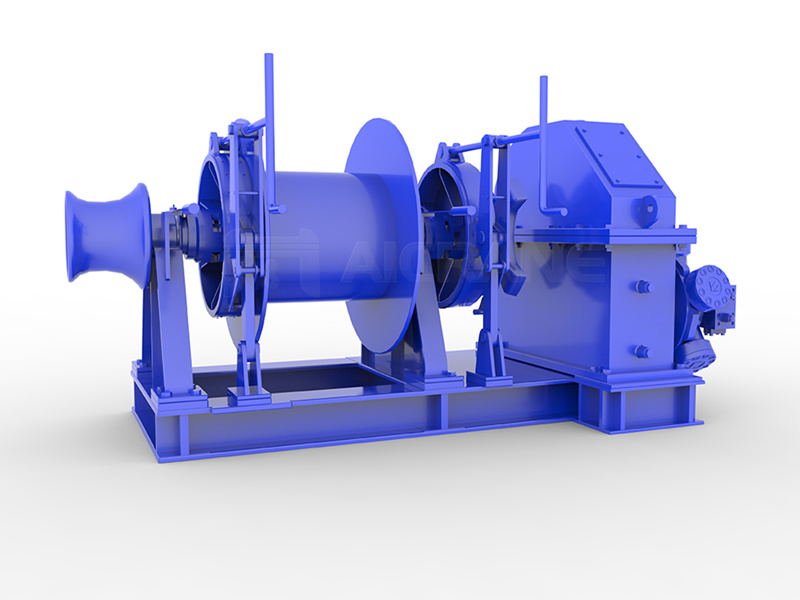
Materials and Tools Needed
Anchor winch and its components
Mounting hardware
Wiring kit (if not included with the anchor winch)
Drill and drill bits
Screwdrivers
Wrenches
Wire crimping tool
Sealant (marine-grade)
Electrical connectors
Terminal block (if needed)
Installation Steps
Choose the Mounting Location
Select a suitable location on the boat for mounting the anchor winch. Ensure that it is securely anchored to a structurally sound part of the boat.
Consider factors such as access for operation, weight distribution, and proximity to the anchor storage.
Prepare the Mounting Surface
Clean and prepare the mounting surface. Ensure that it is free from dirt, grease, and other debris.
If necessary, reinforce the area with backing plates or additional support to handle the load of the anchor winch.
Mount the Winch
Position the anchor winch in the chosen location.
Use the provided mounting hardware to secure the winch to the boat. Ensure that the anchor marine winch is level and securely fastened.
Connect Power Supply
If the anchor winch requires electrical power, connect it to the boat’s electrical system.
Follow the manufacturer’s wiring diagram to connect the positive and negative leads to the battery. Use appropriate-sized wires for the power supply.
Secure Wiring
Route the wiring from the anchor winch to the battery through the boat’s wiring channels.
Secure the wiring with clamps or zip ties to prevent any interference with other components or movement.
Install Switch or Remote Control
If the anchor winch comes with a switch or remote control, install it in a convenient and accessible location on the boat.
Connect the switch or remote control to the anchor winch according to the manufacturer’s instructions.
Test the System
Before finalizing the installation, test the anchor winch to ensure proper operation.
Check the direction of rotation, the functionality of the brake, and the smooth deployment and retrieval of the anchor.
Secure Loose Ends
Secure any loose wiring using clips or ties to prevent them from interfering with the operation of the anchor winch or other components.
Apply Sealant
Apply marine-grade sealant around the mounting holes and any entry points for wiring to prevent water intrusion.
Final Check
Conduct a final inspection to ensure that all connections are secure, and the anchor winch is properly installed.
Confirm that the anchor winch does not interfere with other equipment or structures on the boat.


Always refer to the specific instructions provided by the winch manufacturer of the anchor winch, as the installation process may vary based on the model and type of winch. If in doubt or if the installation seems complex, consider seeking assistance from a professional marine technician.


